
The leaked-key drill that never happens
A laptop is lost, a repo goes public. Nothing to rotate in panic — the repo never held a secret to begin with.
Your .env stays empty. When a service ignites, its environment arrives from Cloud Vault — versioned per environment, scoped per service, audited on every read.
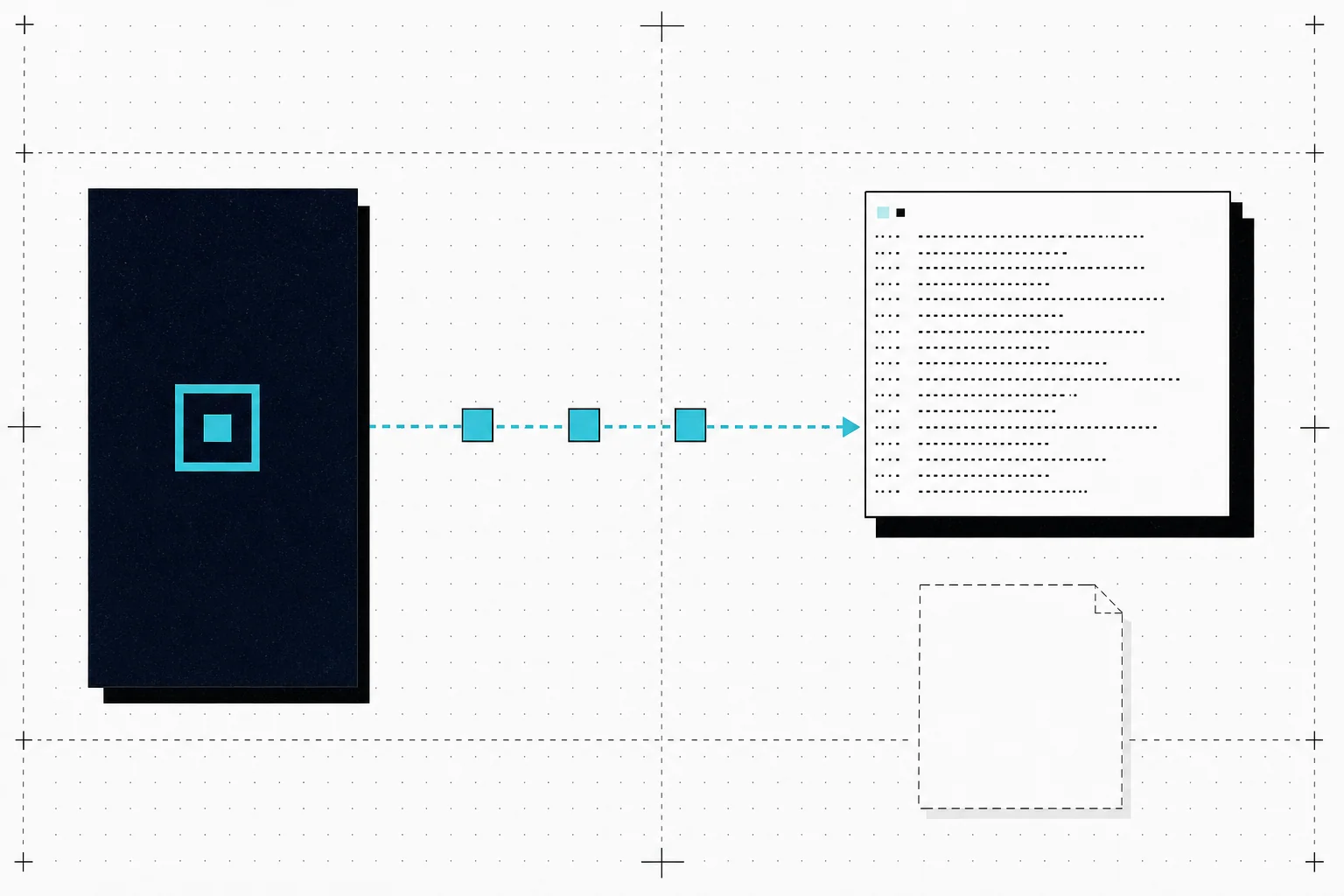
Configuration is a runtime concern, not a build artifact. Vault holds every environment — development, staging, production — as versioned config trees. At ignite(), the runtime fetches the tree for this service in this environment and merges it into the read-only dependencies.config.
Secrets never persist where they should not: not in the repository, not in the image, not on disk. They are held in process memory for exactly as long as the service runs, and every retrieval leaves an audit record — who, what, when, from where.
Rotation stops being a deploy. Change a credential in Vault and the next boot picks it up — across every service that consumes it. One source of truth instead of forty .env files drifting apart.
// .env stays empty — this is the whole setup
const loom = new Loom({ root: __dirname });

// ignite() resolves the environment from Cloud Vault
const deps = await loom.ignite();

const stripeKey = deps.config.providers.stripe.key;
// in memory only. audited on read.A laptop is lost, a repo goes public. Nothing to rotate in panic — the repo never held a secret to begin with.
The database password changes once, in Vault. Every consuming service picks it up on next boot. No coordinated deploy train.
"Who accessed the production payment key in March?" — a query, not an investigation.